
top realism tattoo artist in the San Francisco bay area- Brian Martinez
Brian Martinez – Realism Tattoo Artist in the San Francisco Bay Area
Finding the right realism tattoo artist can make a major difference when you want a tattoo that looks lifelike, detailed, and professionally composed. Realism requires much more than adding shadows to an image. It demands a strong understanding of light, anatomy, texture, contrast, proportions, and how artwork translates onto the human body.
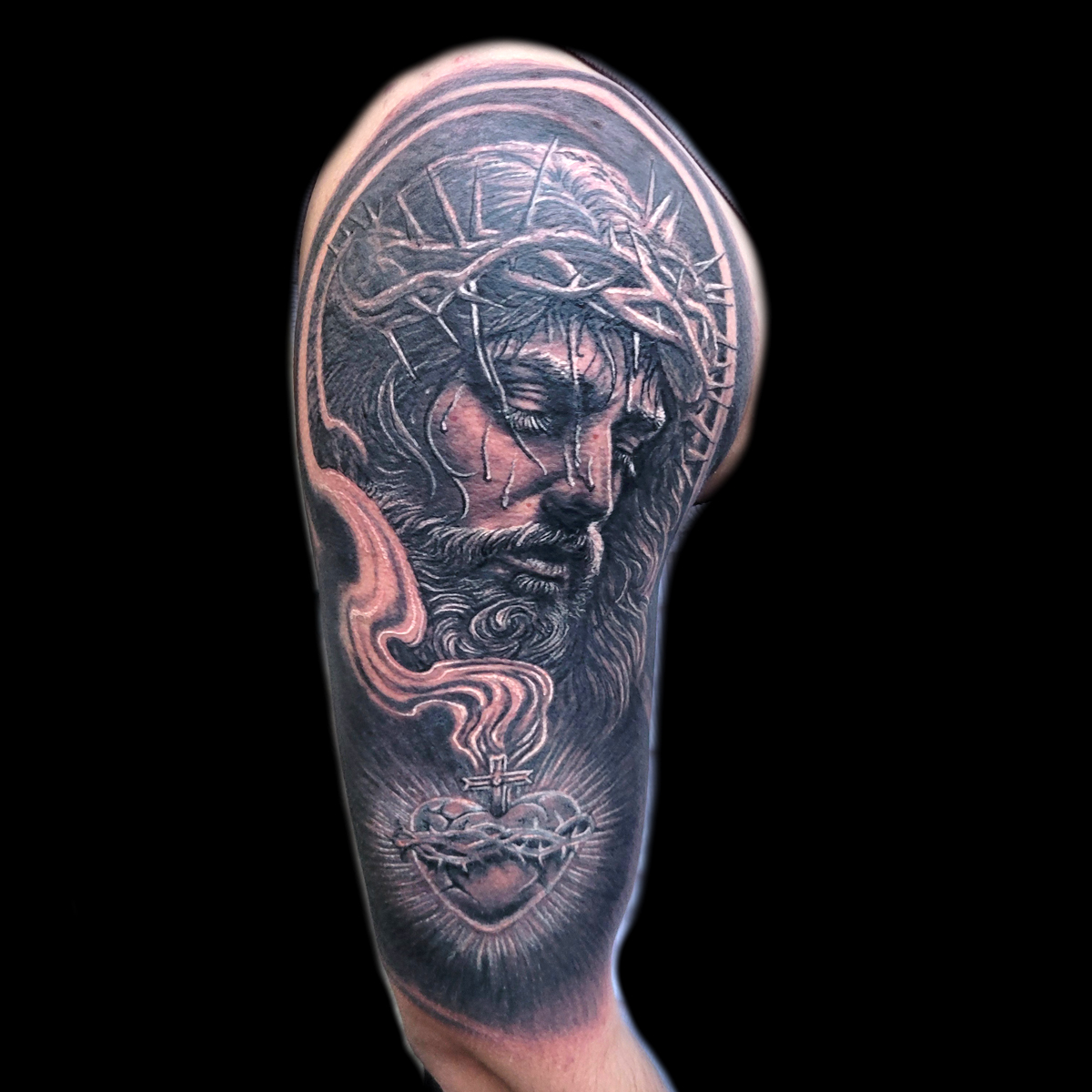
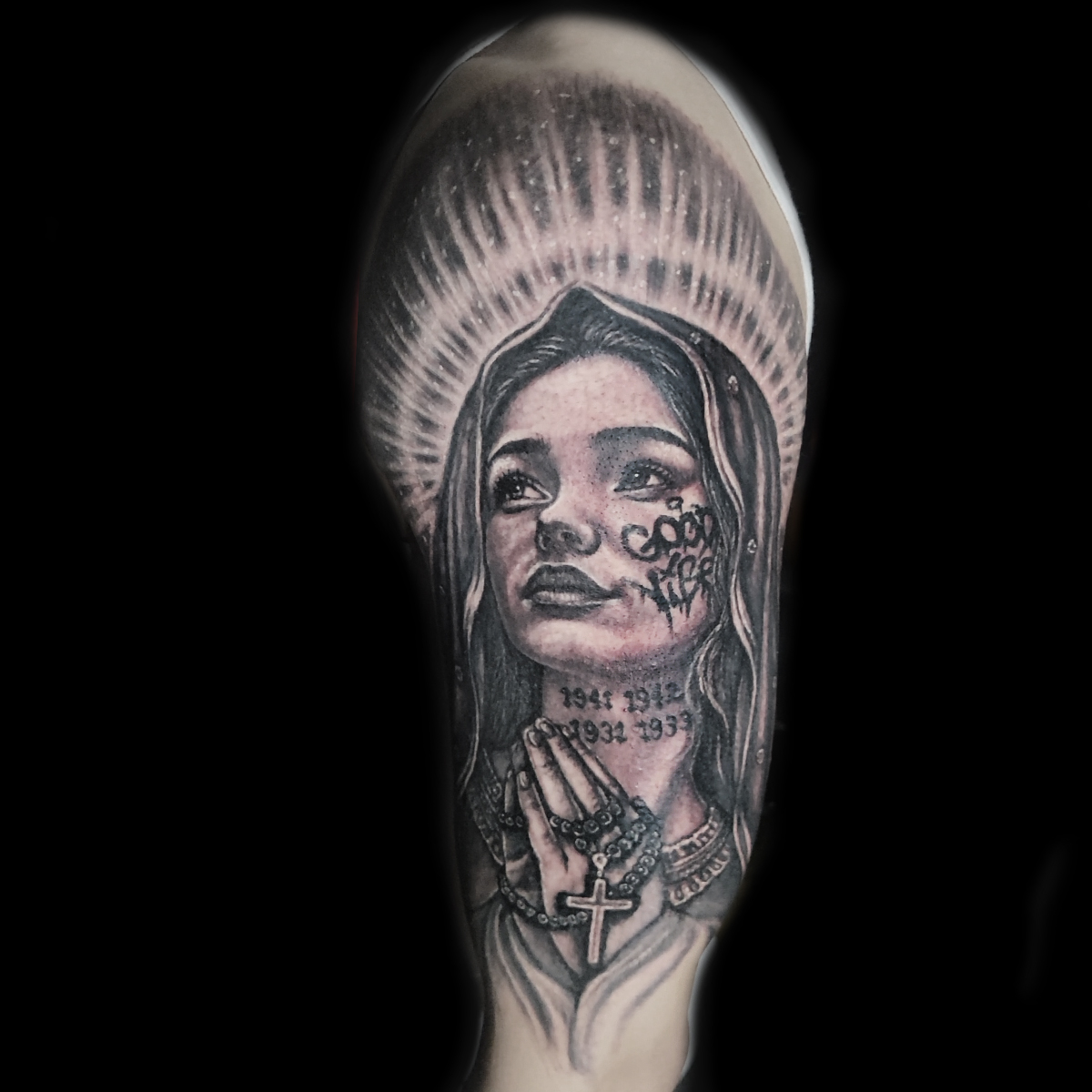
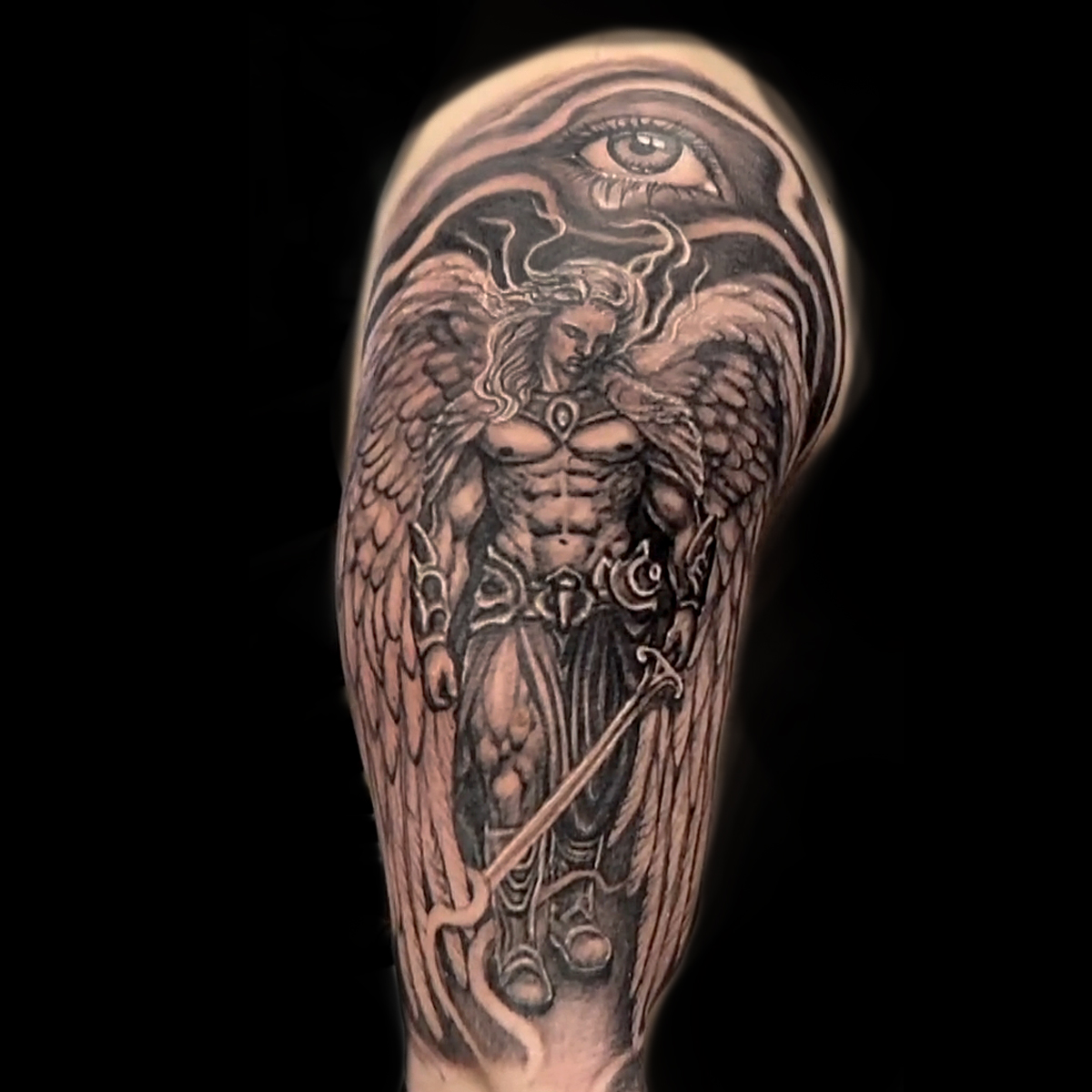
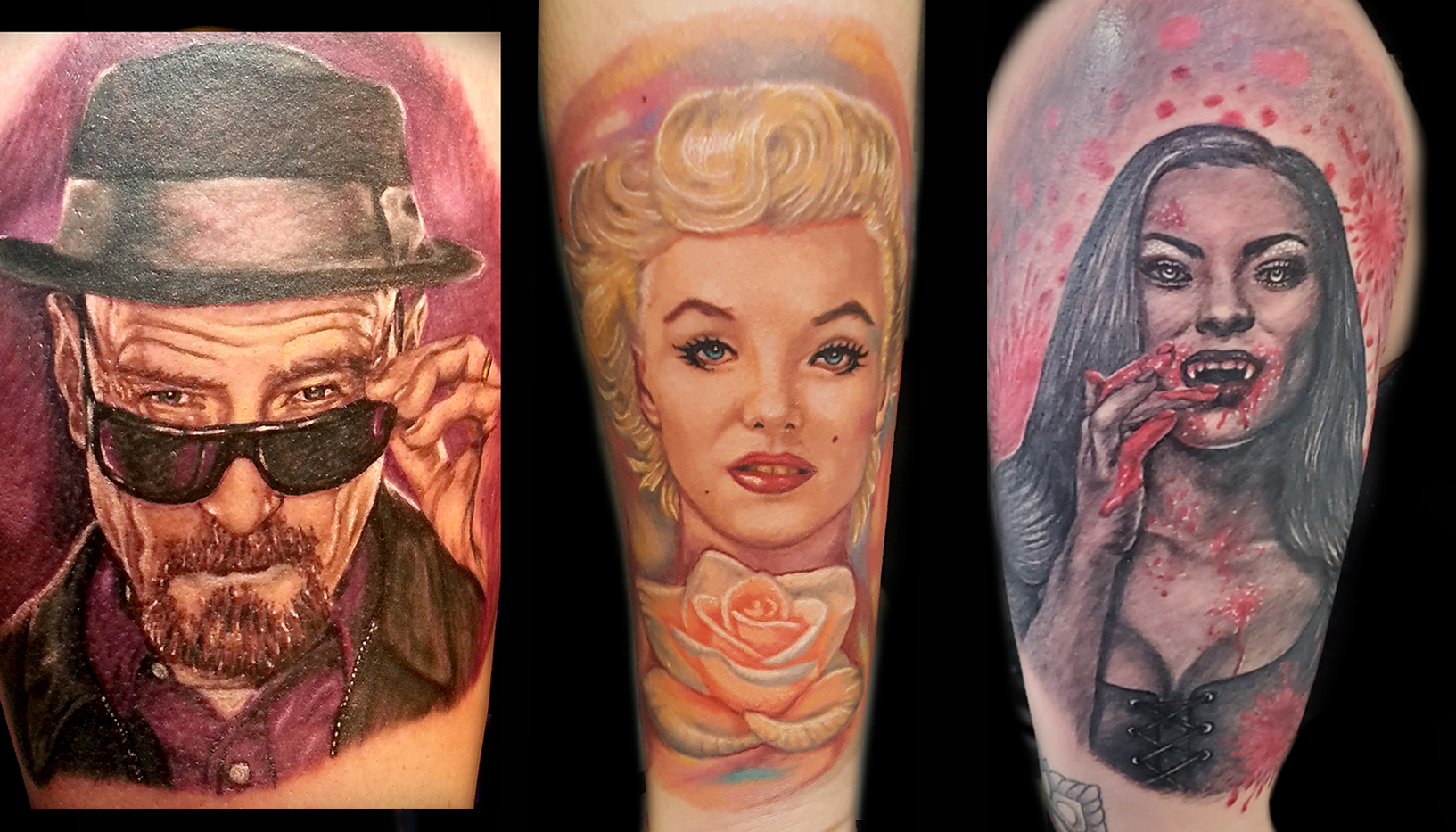
Brian Martinez, owner of Masterpiece Tattoos, specializes in realistic, 3D, portrait, and custom tattoo artwork in the San Francisco Bay Area. His work focuses on creating highly detailed tattoos that use realistic shading, contrast, texture, and dimensional effects to give each piece a convincing appearance.
With more than 18 years of tattooing experience, Brian has developed an approach centered around realism and custom artwork. His portfolio includes realistic portraits, animals, landscapes, biomechanical concepts, surrealistic designs, black and gray tattoos, color realism, and cover-up projects.
What Is Realism Tattooing?
Realism tattooing focuses on reproducing subjects with realistic visual qualities.
Instead of relying on simple outlines, the artist uses different values, textures, highlights, and shadows to create recognizable forms. A realistic tattoo can depict a person’s face, an animal, a landscape, an object, or an entirely imaginative subject.
Light plays a particularly important role.
A strong highlight can make an eye appear wet. Subtle shading can give a face realistic volume. Detailed texture can make fur, feathers, metal, stone, or skin appear more believable.
Brian Martinez builds his realism tattoos around these principles. His approach uses contrast and tonal transitions to define shapes rather than depending entirely on traditional linework.
Brian Martinez and Realistic Tattoo Art
Brian Martinez has built his tattoo career around detailed custom artwork.
His artistic foundation focuses heavily on observation. Before creating a realistic tattoo, the artist needs to understand what makes the reference image look convincing.
That means studying the direction of light, the relationship between highlights and shadows, the texture of different surfaces, and the proportions of the subject.
Brian brings those considerations into each tattoo.
Consequently, the finished piece can have more depth than a simple reproduction of a photograph.
Realistic Tattoos Without Heavy Outlines
One characteristic of Brian’s approach is his use of shading and contrast instead of traditional outlines.
In realistic tattooing, an outline can sometimes make an image appear flatter. By using changes in value, the artist can allow the shapes to define themselves.
For example, a dark shadow can separate two objects. A highlight can establish the edge of a metal surface. Soft tonal transitions can make one section appear farther away.
This technique can create a more natural appearance.
Brian’s work uses strong contrast, light, and shadow to make realistic and 3D designs appear dimensional without depending on conventional linework.
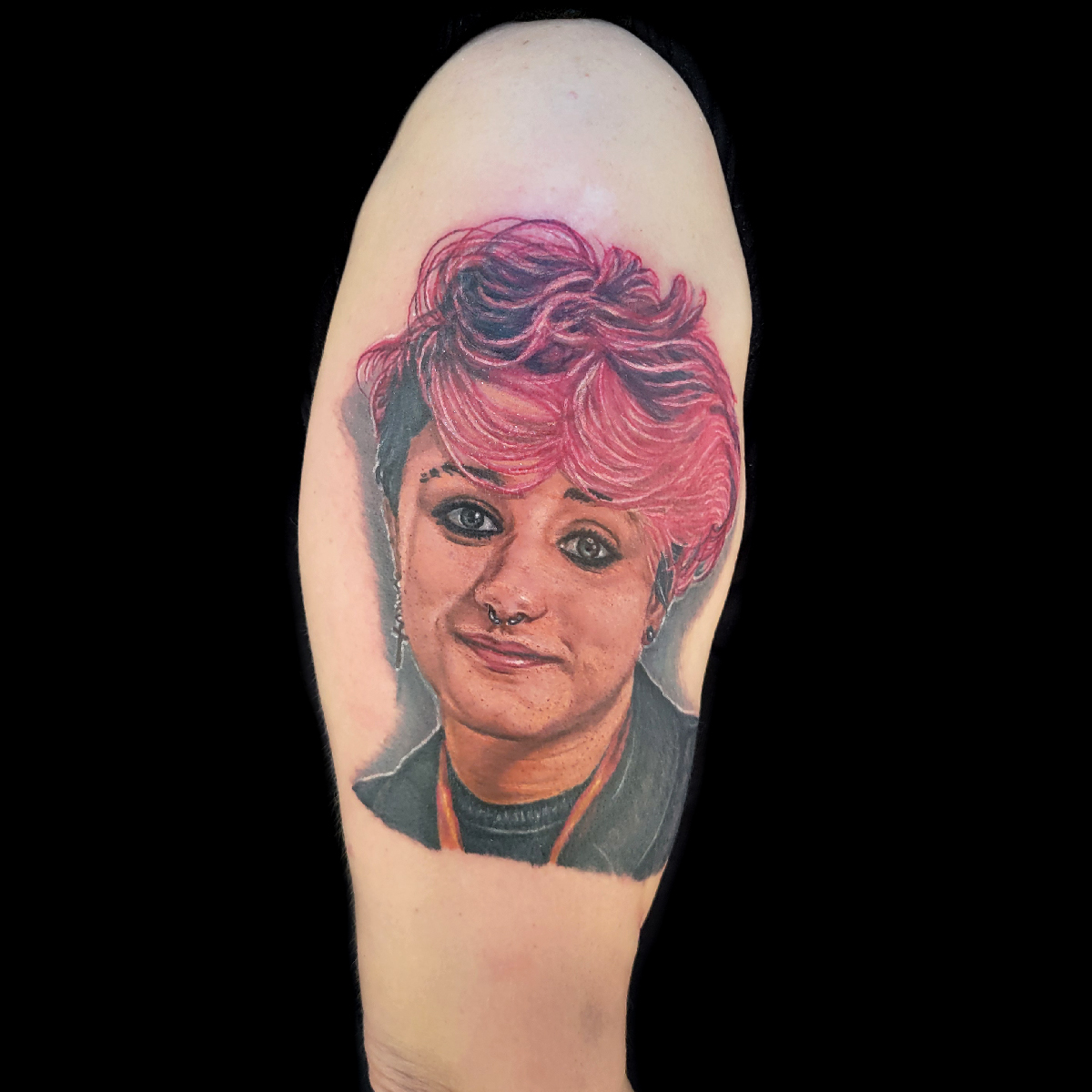
Realistic Portrait Tattoos
Portrait tattooing is one of the most demanding forms of realism.
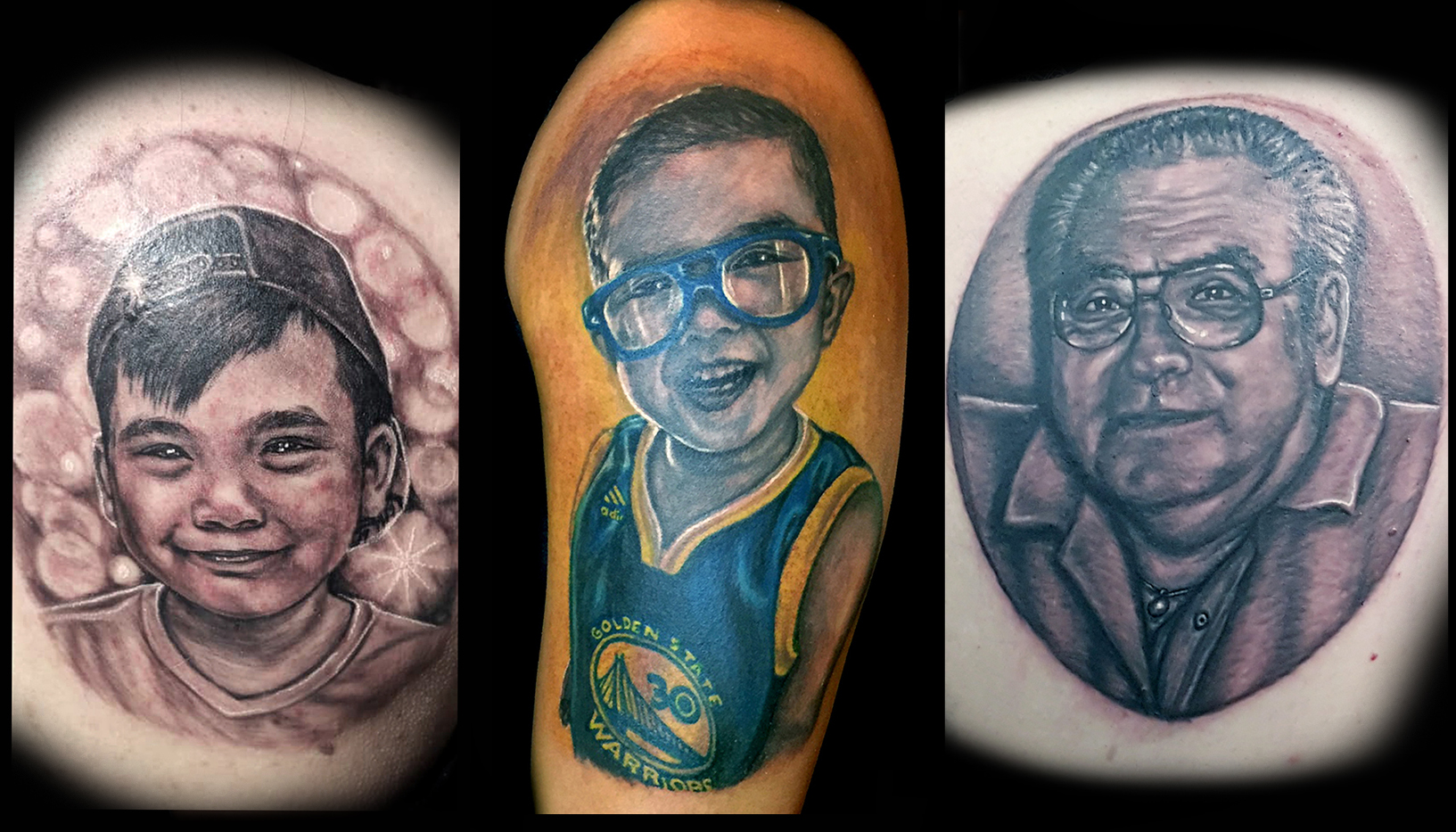
A successful portrait needs to capture more than basic facial features. The proportions, expression, eyes, skin texture, hair, lighting, and shadows all contribute to the likeness.
Even a small change can affect the way a person looks.
Brian approaches portrait tattoos by breaking down the visual information within the reference photograph. From there, he translates those details into shading and tonal values that work on skin.
Portraits can honor family members, preserve memories, celebrate loved ones, or commemorate important people.
For that reason, realism becomes more than a technical style. It becomes a way to preserve a meaningful image through custom artwork.
Realistic Animal Tattoos
Animals provide another excellent subject for realism tattooing.
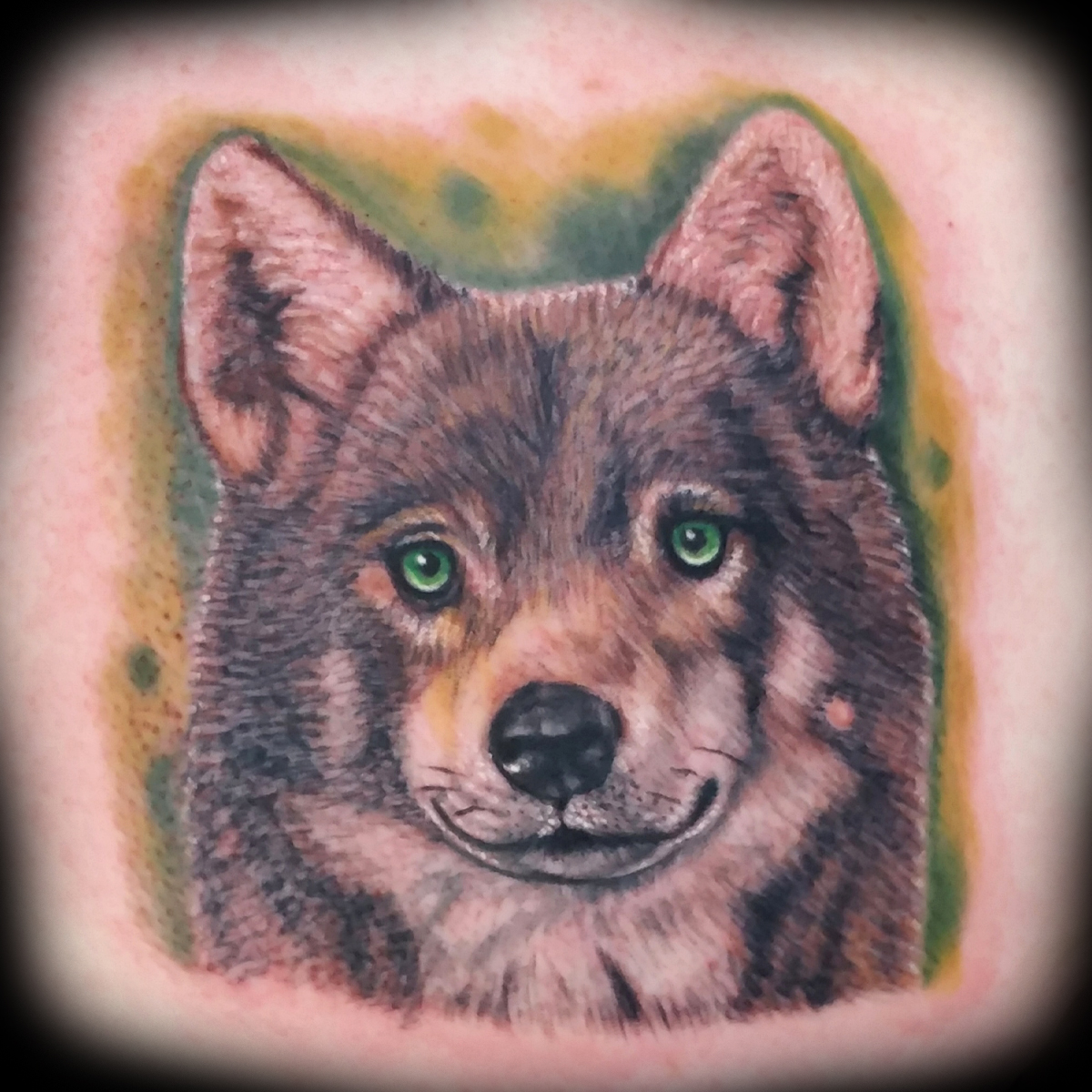
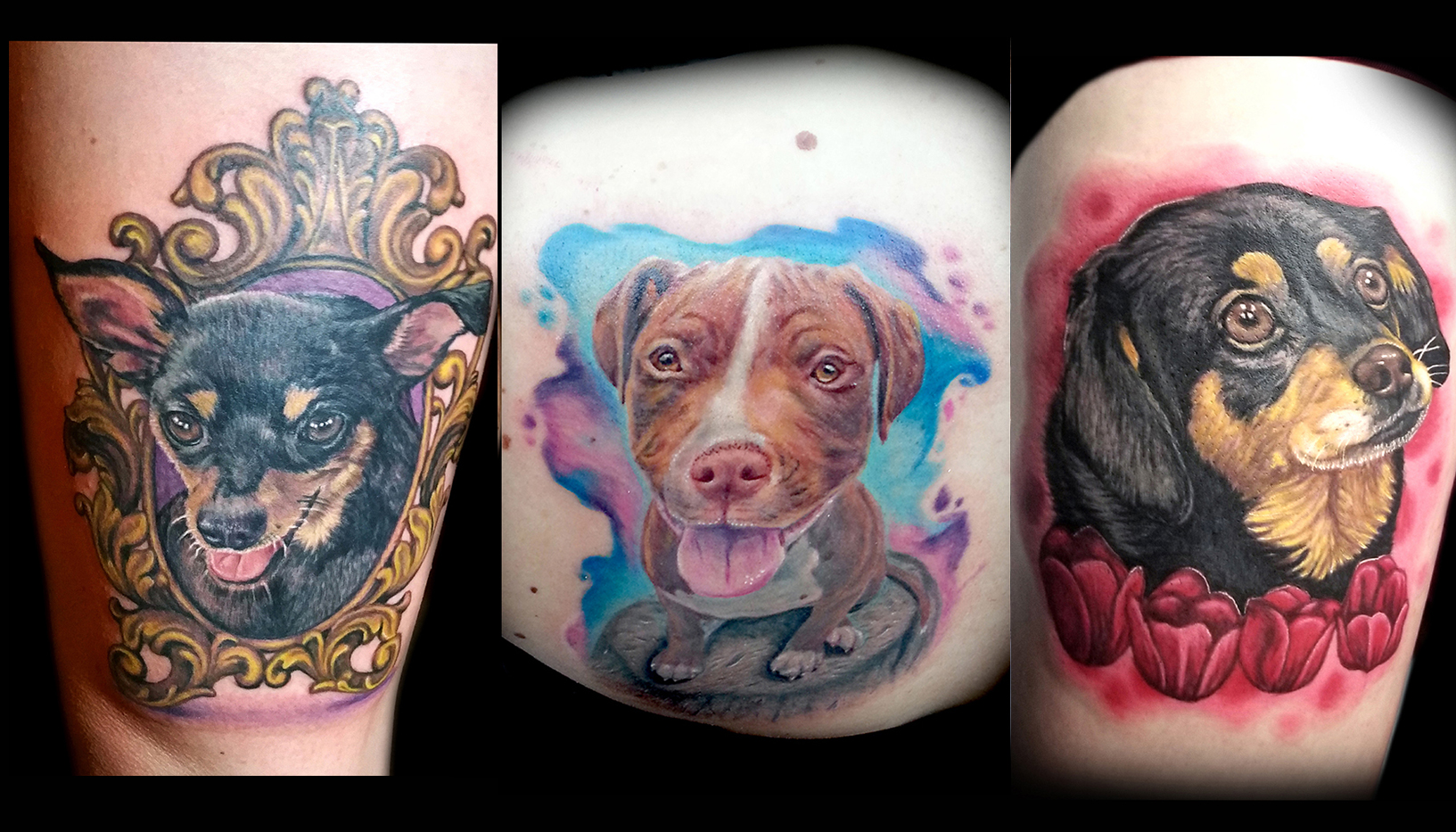
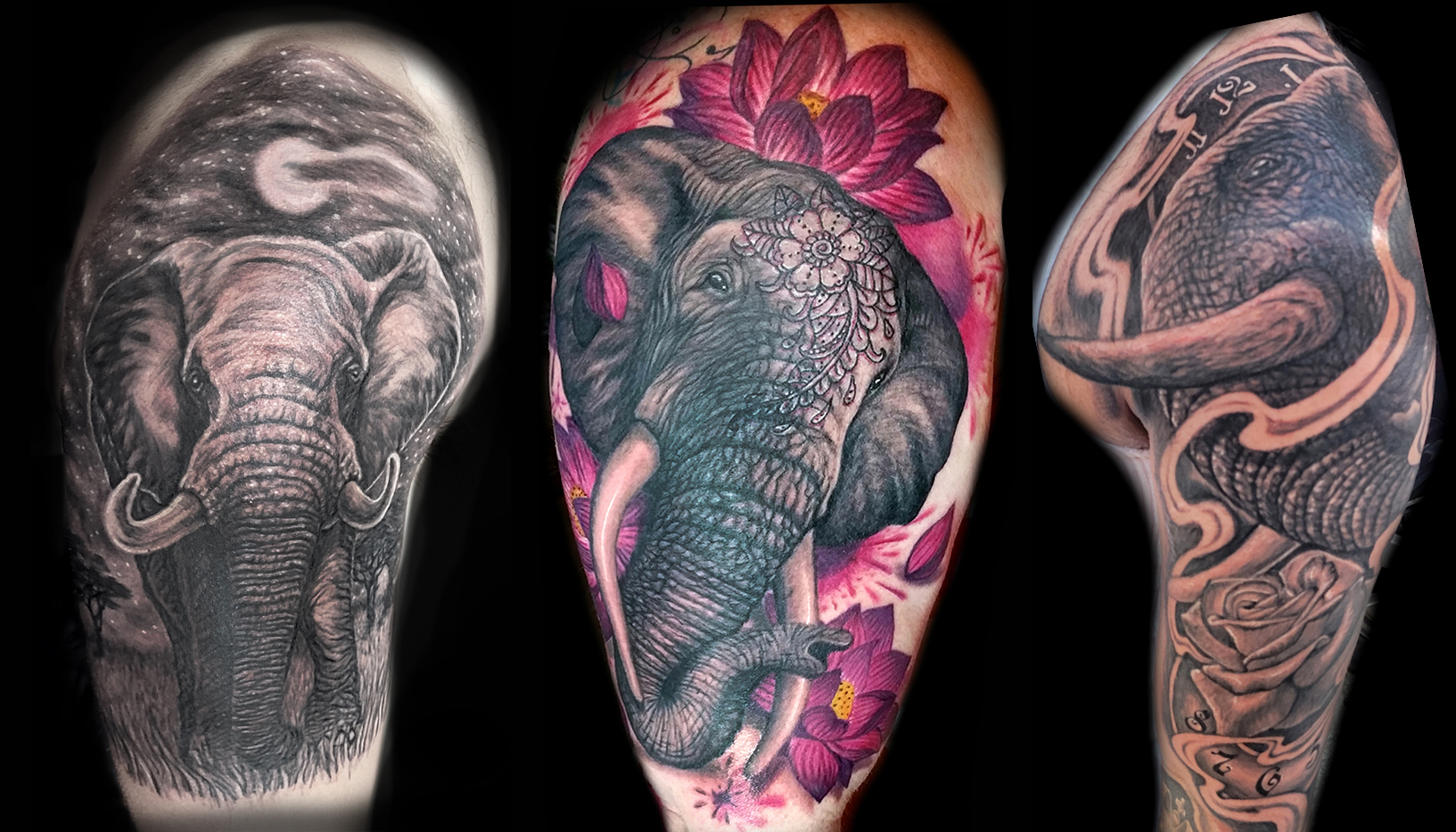
A realistic lion can emphasize the texture of its mane. A wolf can feature detailed fur and expressive eyes. An eagle can use carefully controlled feather textures and dramatic lighting.
Other possibilities include:
- Bears
- Tigers
- Panthers
- Owls
- Dogs
- Horses
- Snakes
- Wolves
- Lions
- Birds
- Wildlife scenes
Each animal presents different challenges.
Fur requires a different technique from feathers. Scales need different tonal patterns than skin. Eyes require precise highlights to create a realistic expression.
Therefore, the artist needs to understand the visual characteristics of each subject.
Black and Gray Realism Tattoos
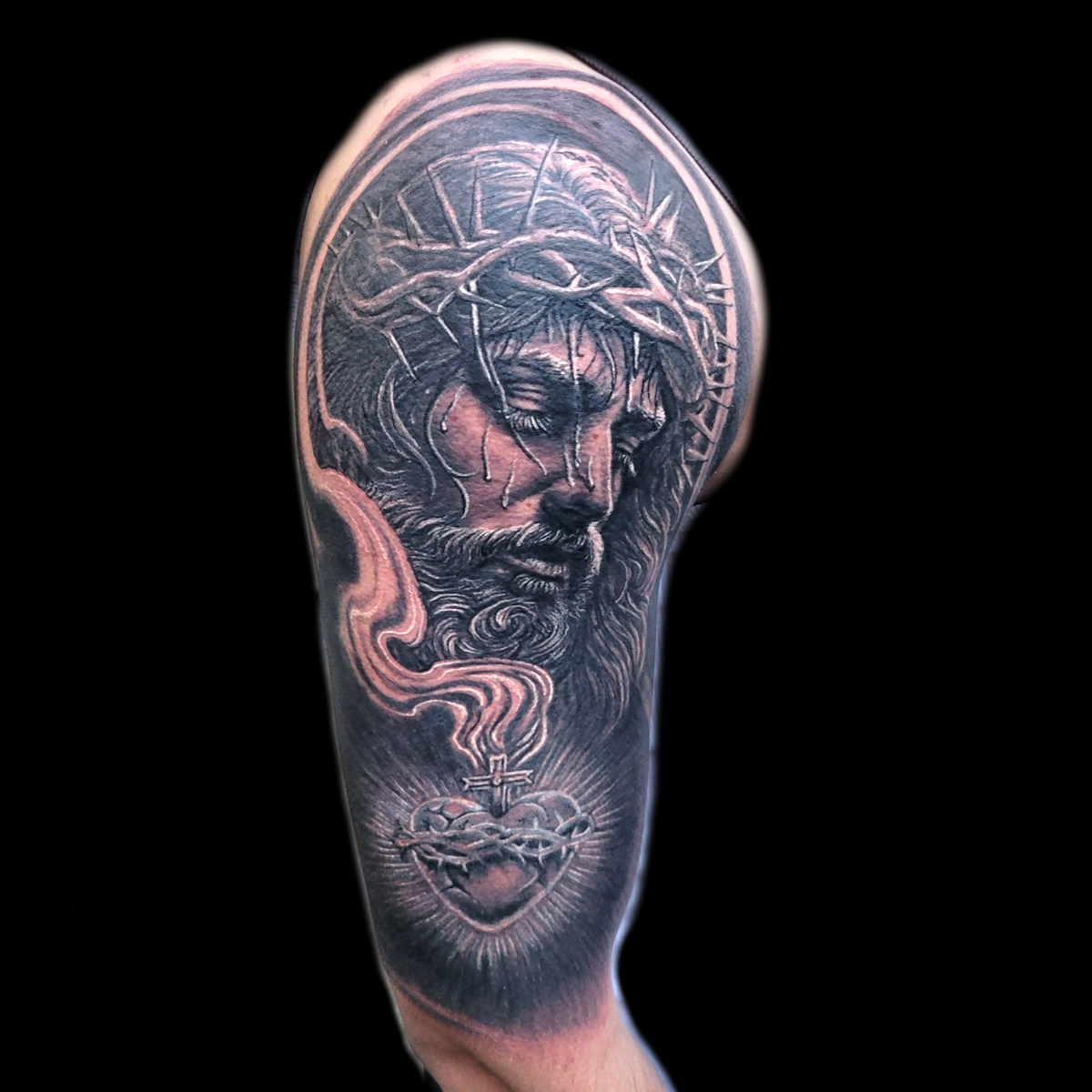
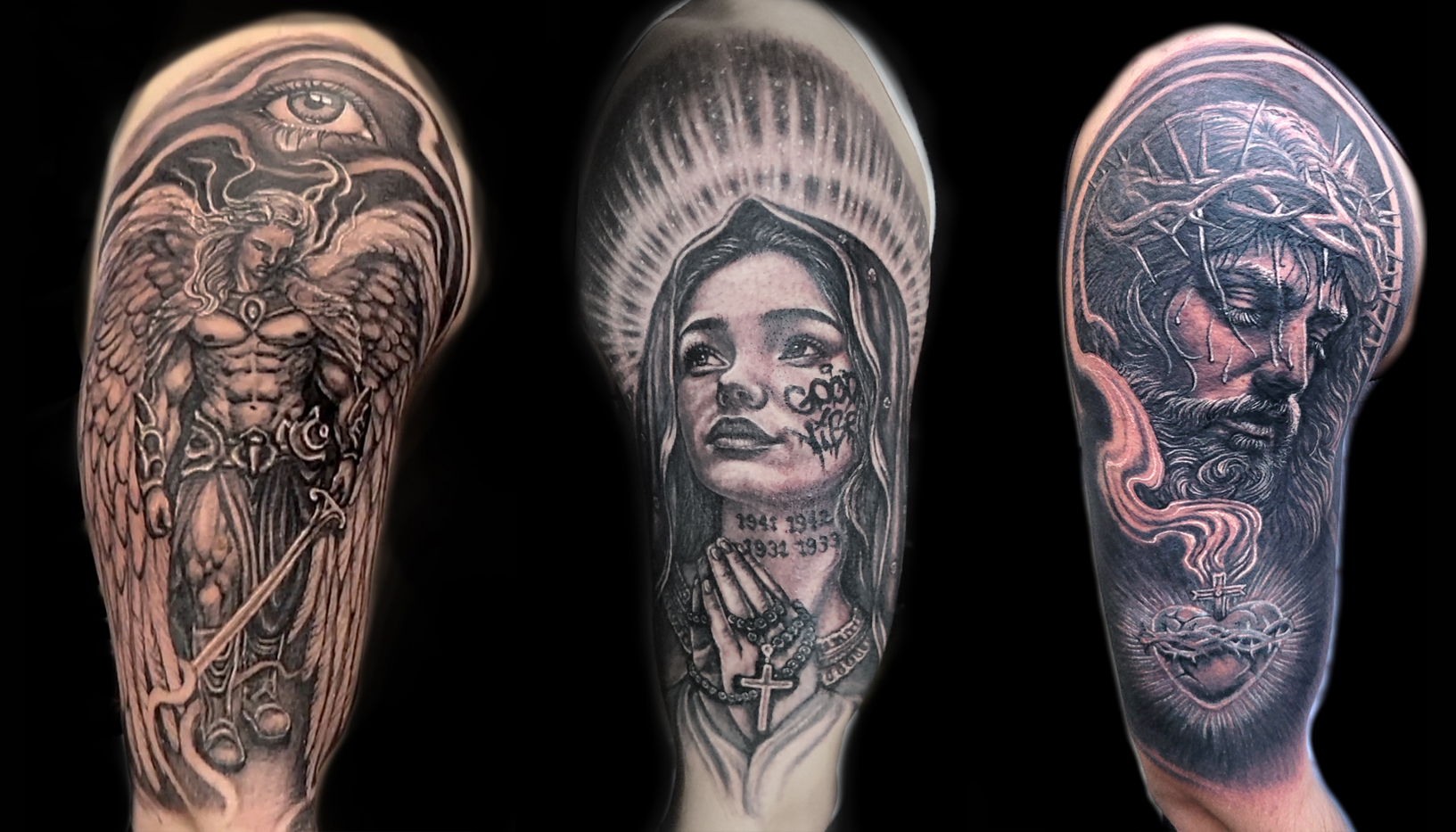
Black and gray realism allows light and shadow to become the primary visual tools.
Without color competing for attention, the viewer focuses on contrast, texture, depth, and composition.
Deep blacks can establish the darkest portions of the tattoo. Gray gradients can create smooth transitions. Small highlights can then bring important details forward.
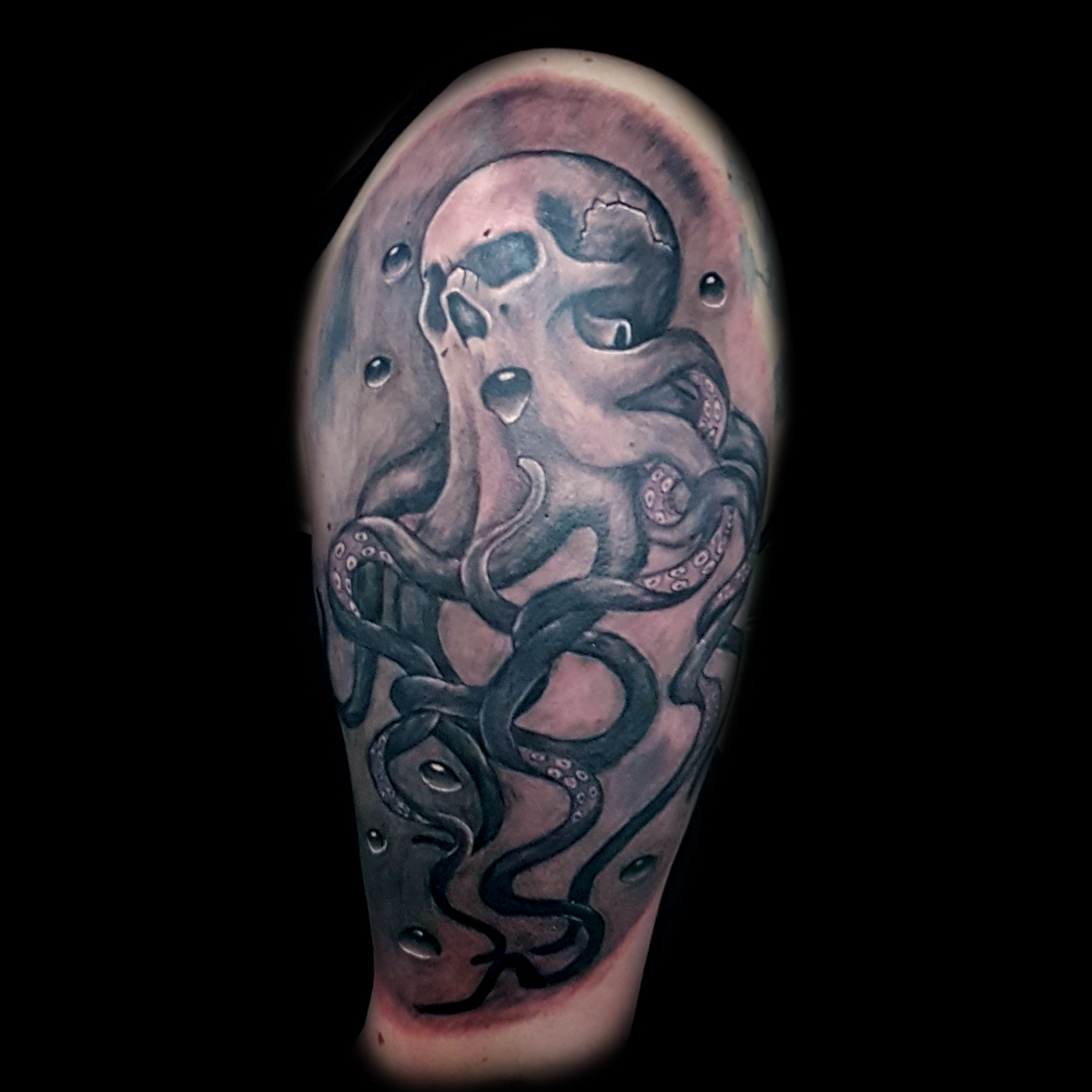
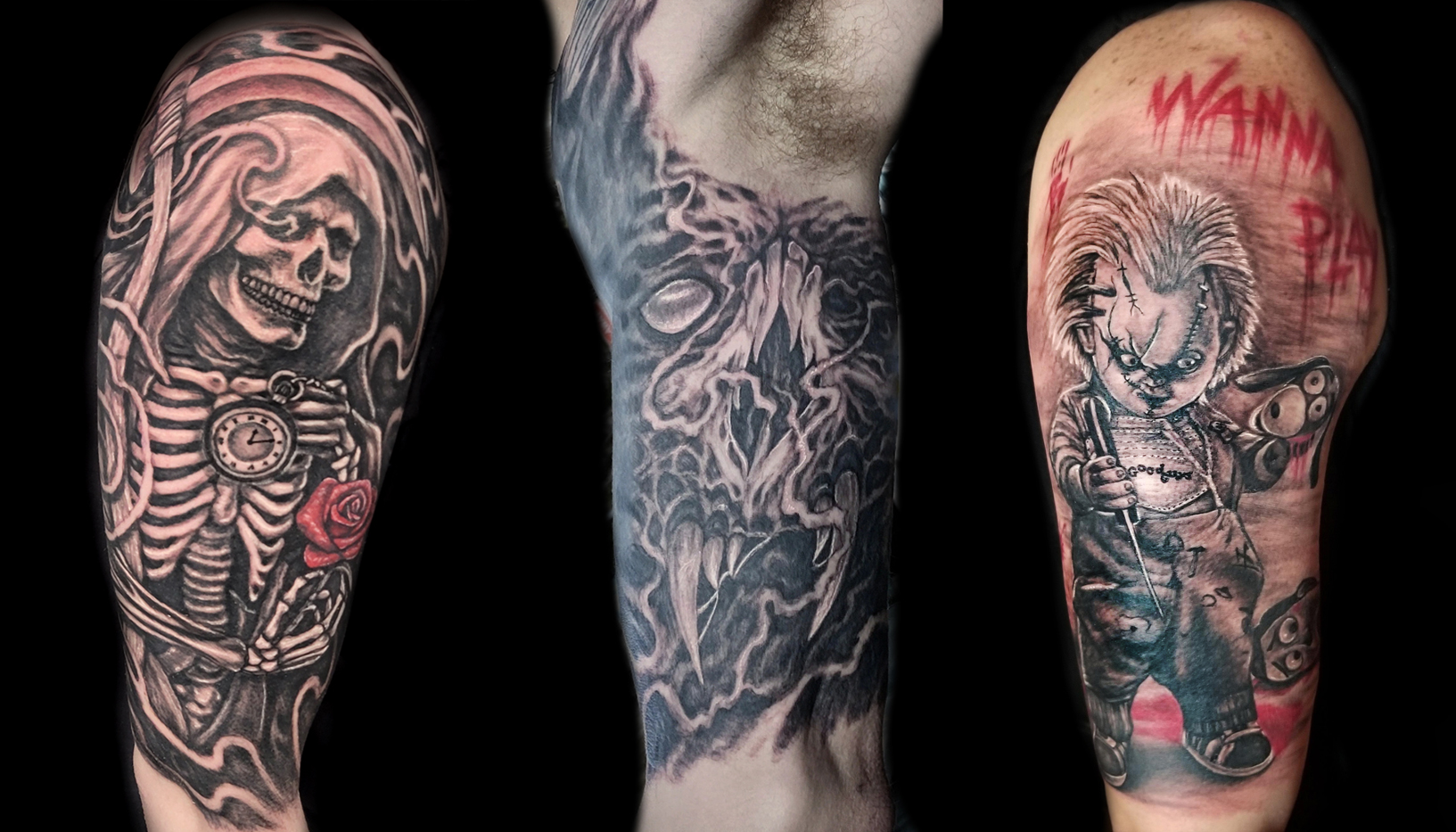
This approach works especially well for portraits, wildlife, religious imagery, skulls, landscapes, and darker concepts.
Brian Martinez creates black and gray realism using carefully controlled tonal values and strong contrast. His portfolio includes realistic black and gray work alongside color and 3D tattoo designs.
Color Realism Tattoos
Realism does not have to mean black and gray.
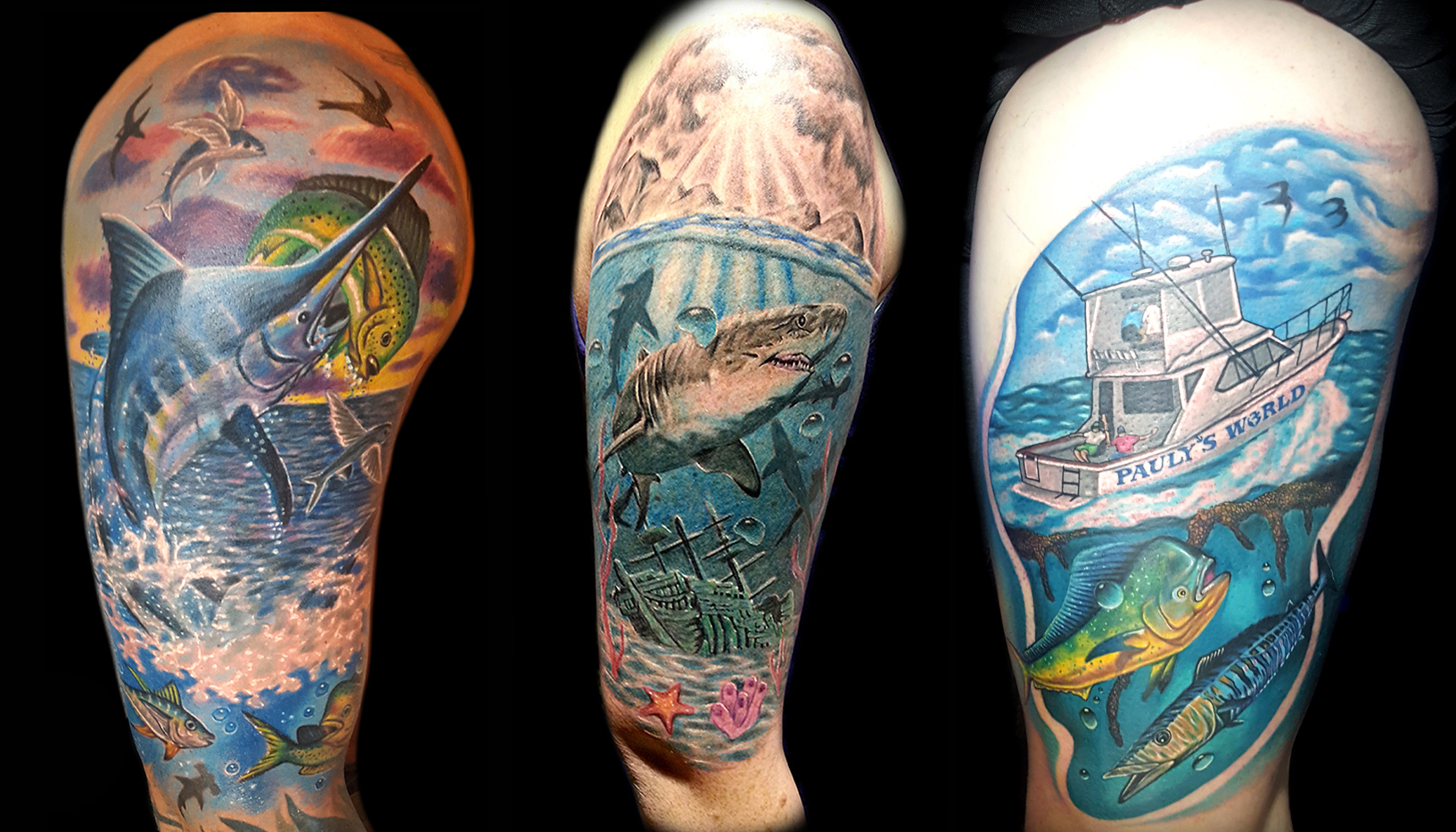
Color can add another dimension to a realistic tattoo. Skin tones, animal fur, flowers, landscapes, clothing, objects, and other subjects can all benefit from carefully selected colors.
However, realistic color tattooing requires more than using bright pigments.
The artist needs to understand how colors interact with light and shadow. Strong highlights and darker values still need to establish depth.
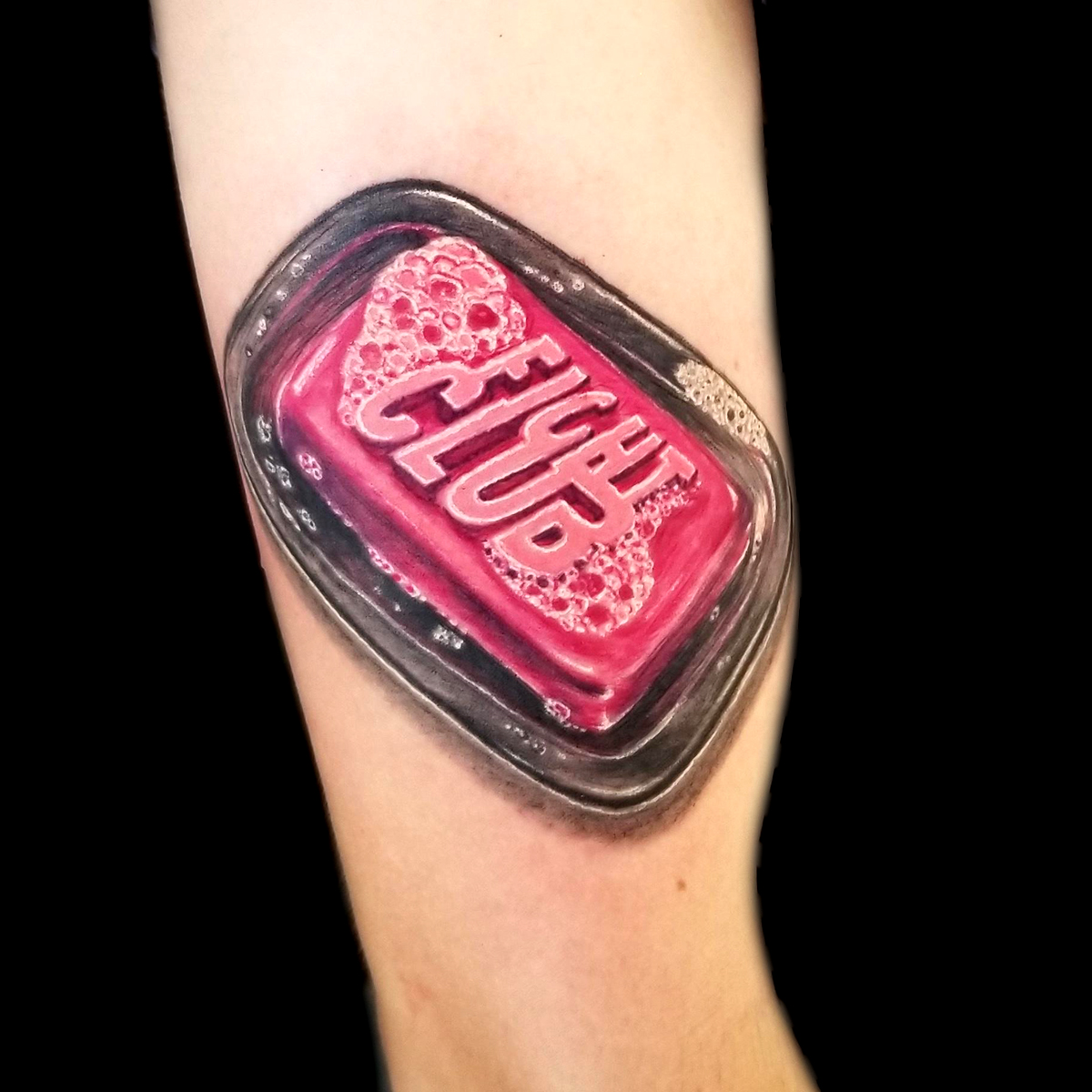
Brian can combine realistic color with dimensional shading to create tattoos that maintain their structure while using color as an additional visual element.
3D Realism and Dimensional Tattoos
Brian Martinez also specializes in 3D realistic tattoo concepts.
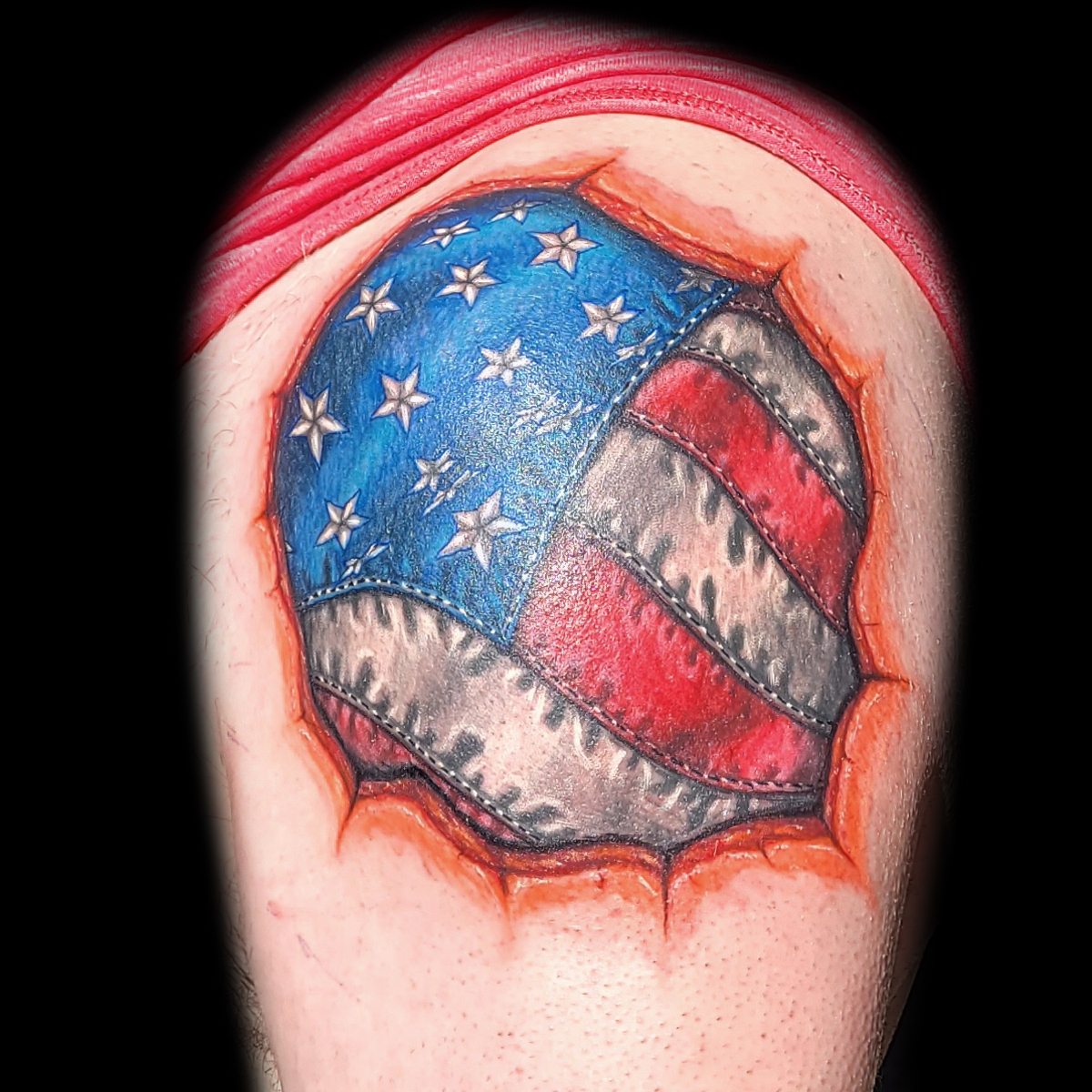
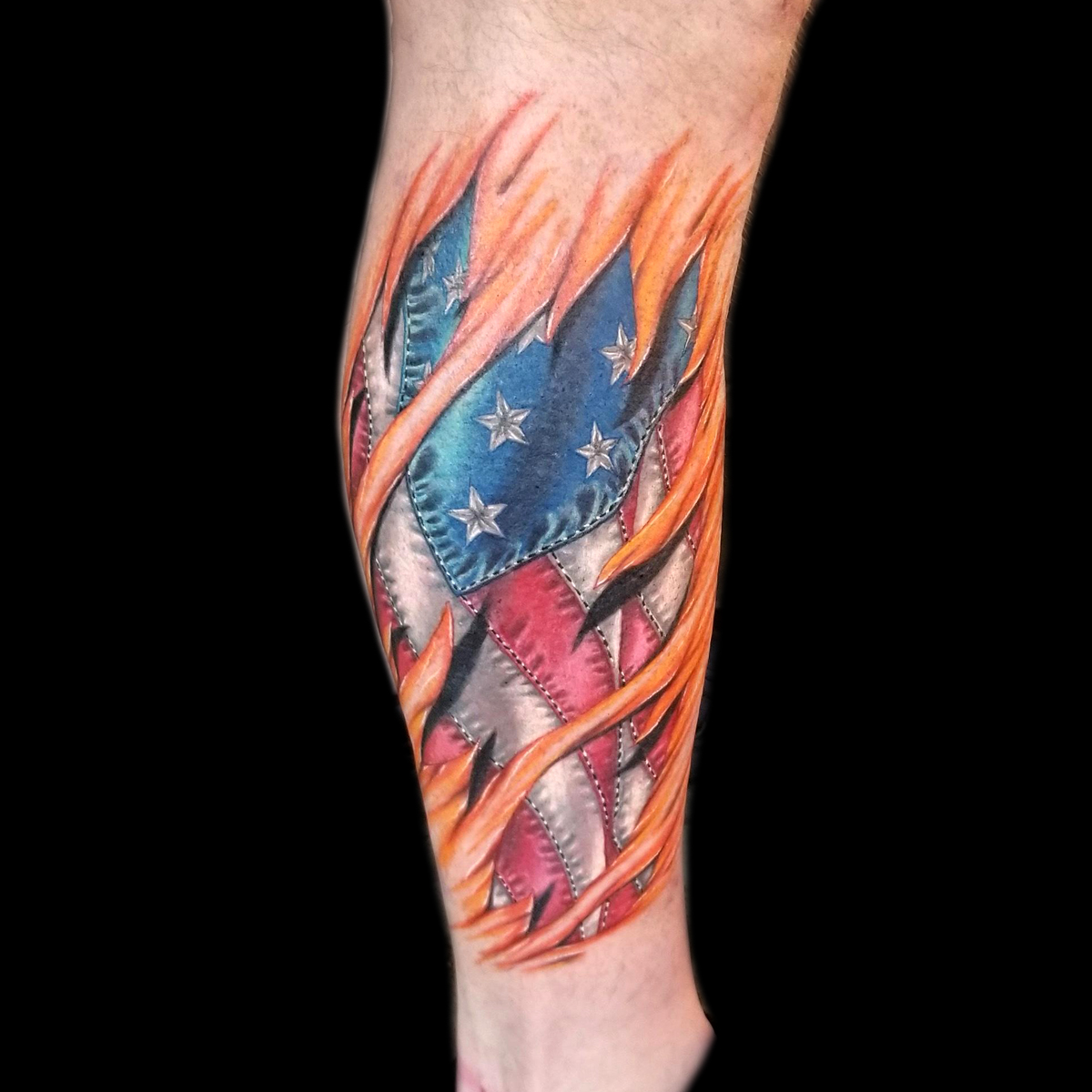
A 3D tattoo can create the illusion that an object exists above, below, or within the surface of the skin.
This effect comes primarily from lighting and shadows.
For example, a stone can appear to sit on top of the skin. A mechanical component can look as though it exists beneath it. An animal can appear to emerge from a darker background.
Brian uses contrast, highlights, shadows, and different tonal values to develop this dimensional effect.
The technique can transform many different subjects into 3D artwork.
Realistic Surrealistic Tattoos
Realism does not have to be limited to subjects that exist in the real world.
Brian also works with surrealistic concepts that combine realistic execution with imaginative ideas. This can include dark art, bio organic imagery, unusual anatomy, fantasy elements, and other creative concepts.
The subject may be fictional, but the textures and lighting can remain realistic.
That combination allows clients to create tattoos that look believable while still expressing unusual ideas.
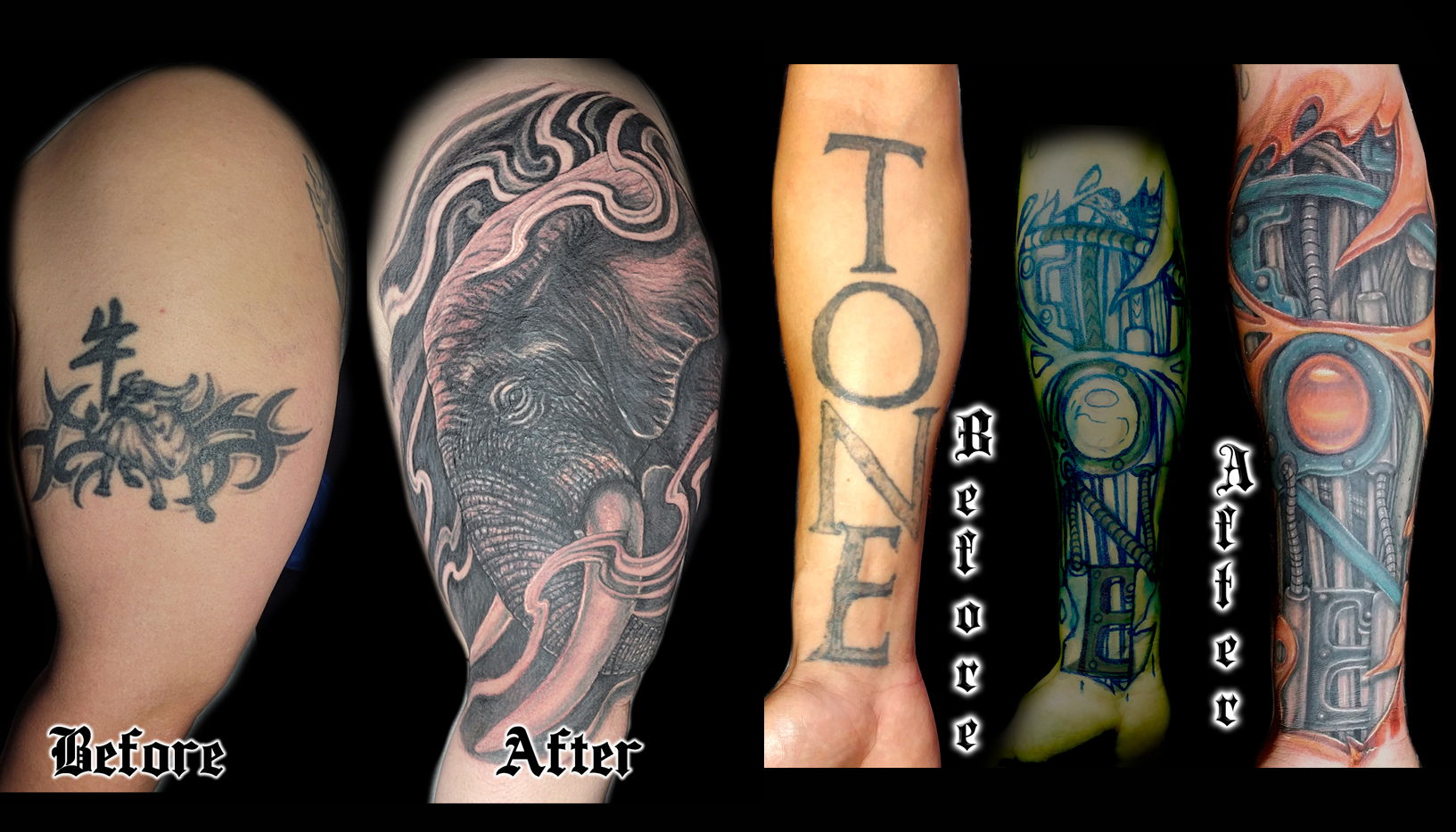
Realistic Cover-Up Tattoos
Cover-ups present a completely different challenge.
The artist must work with existing ink while developing a new composition. Old lines, saturated colors, and dark areas can limit the available options.
Realistic artwork can provide creative solutions because the artist can use shadows, textures, darker areas, and complex imagery to incorporate portions of the original tattoo.
Brian Martinez offers realistic cover-up work as part of his specialization. His approach focuses on designing the new tattoo around the existing artwork rather than simply trying to hide it with another image.
Every cover-up remains different, so the existing tattoo should be evaluated before deciding what design will work best.
Designing Realism Tattoos Around the Body
A great realism tattoo needs to work with the body.
The shape of an arm, shoulder, chest, back, thigh, or calf can influence the composition. Therefore, the artist should consider placement before finalizing the artwork.
For example, a portrait may work naturally on the upper arm or chest. A long animal can follow the shape of the forearm. Meanwhile, a large landscape can use the back as a broad canvas.
Brian’s custom approach allows the composition to adapt to the client’s anatomy.
As a result, the tattoo can feel integrated with the body instead of looking like a picture simply placed on top of the skin.
Large Realism Tattoo Projects
Large tattoos provide additional space for realistic details.
A full sleeve can combine several subjects into one continuous composition. A back piece can develop an entire landscape or complex scene. Similarly, a chest piece can use the body’s anatomy to establish the structure of the artwork.
Larger tattoos also provide more room for gradual transitions.
Textures can become more detailed. Shadows can develop across larger areas. Background elements can become softer to create atmospheric depth.
For these reasons, realism can work particularly well for large-scale custom projects.
A Private, Appointment-Only Tattoo Experience
Masterpiece Tattoos operates as an appointment-based studio, allowing the tattoo process to focus on the individual project rather than a high-volume walk-in environment. The studio’s published materials emphasize personalized designs, cleanliness, and attention to each tattoo.
This approach can be especially valuable for realistic tattoos.
A detailed realism project may require significant planning. The artist needs time to discuss the reference material, placement, size, composition, and desired style.
Instead of rushing through those decisions, the consultation can establish the foundation for the artwork.
Why Detail Matters in Realism
Small details can dramatically change a realistic tattoo.
The texture of fur can make an animal look more believable. Correct facial proportions can improve a portrait. Subtle reflections can make metal appear realistic.
Likewise, carefully positioned shadows can create the illusion of depth.
However, realism is not simply about adding as much detail as possible.
Too much detail in every area can make a tattoo difficult to read. Strong realism requires balance between detailed focal points and softer supporting areas.
Brian’s approach emphasizes contrast, light, shadow, texture, and composition to create that balance.
Choosing a Realism Tattoo Artist in the San Francisco Bay Area
Choosing a realism tattoo artist requires careful research.
A portfolio should show consistent work rather than one or two strong examples. Clients should also consider whether the artist’s preferred style matches the type of tattoo they want.
For someone looking for realistic portraits, animals, 3D designs, black and gray work, color realism, or realistic cover-ups, Brian Martinez offers a portfolio focused heavily on those categories.
The consultation also matters.
A good artist should understand the client’s idea while providing honest guidance about placement, size, detail, and composition.
Start Your Realism Tattoo in the San Francisco Bay Area
A realistic tattoo can be more than an image on the skin. It can preserve a face, capture an animal, recreate a meaningful place, honor a memory, or transform an imaginative concept into something that appears real.
At Masterpiece Tattoos in San Francisco, Brian Martinez specializes in realistic, 3D, portrait, color, black and gray, surrealistic, and cover-up tattoo artwork. His approach centers on detailed observation, strong contrast, realistic textures, dimensional shading, and custom compositions.
Whether you are considering a realistic portrait, a lifelike animal, a dramatic landscape, a 3D concept, a biomechanical tattoo, or a realistic cover-up, the design can start with your own idea and develop into a custom piece of artwork.
Masterpiece Tattoos is located in San Francisco, California, and works by appointment.
If you are searching for a realism tattoo artist in the San Francisco Bay Area, bring your reference photographs, ideas, and inspiration to your consultation with Brian Martinez. From the first concept to the finished tattoo, the goal is to create realistic artwork that fits your vision and the natural shape of your body.