
Realistic roses tattoos


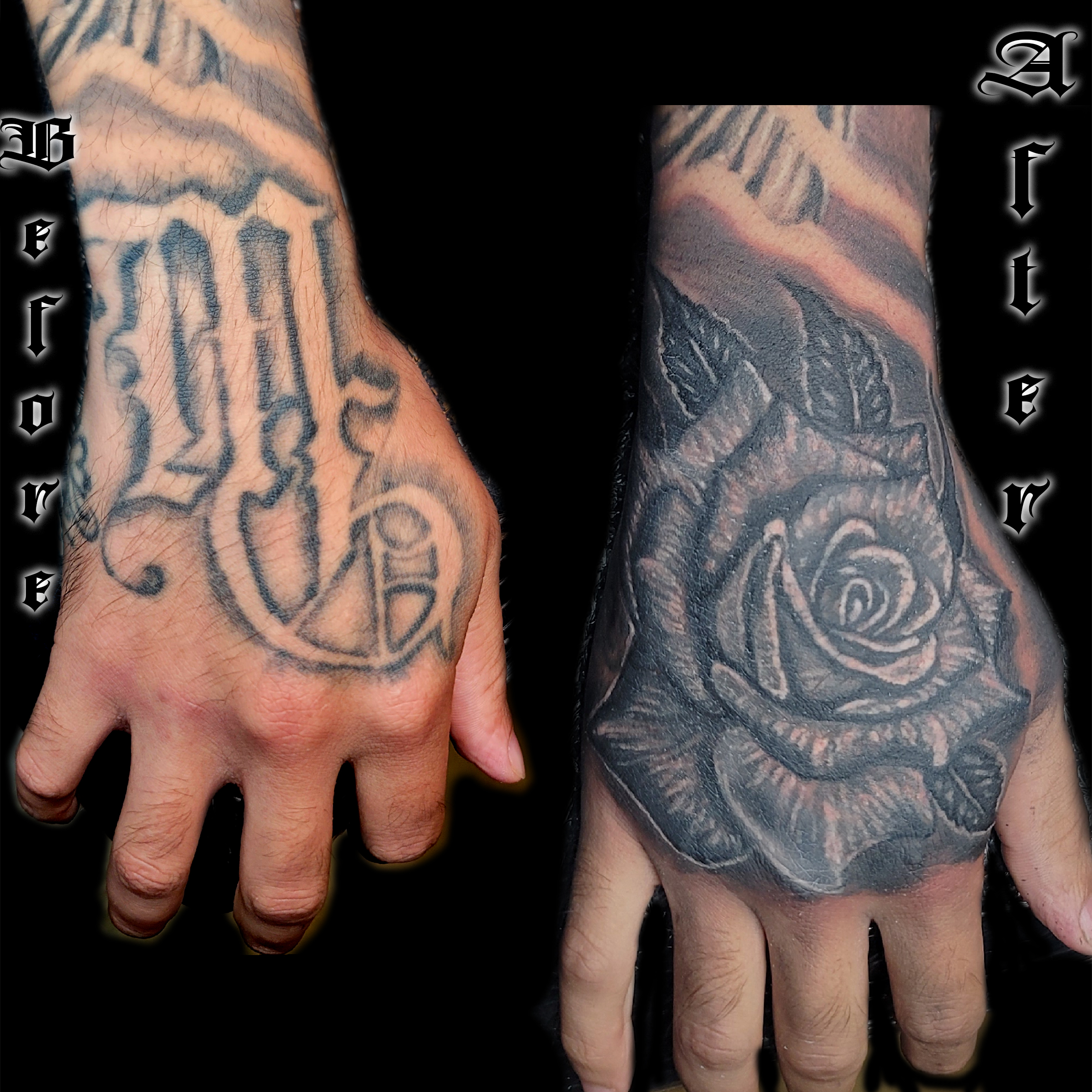
Realistic Rose Tattoos in San Francisco: Photorealistic Floral Art by Brian Martinez
A realistic rose tattoo can turn one of nature’s most recognizable flowers into a detailed piece of art. Every petal has its own curve, fold, shadow, and highlight. When those details come together, the rose can appear almost photographic on the skin.
At Masterpiece Tattoos in San Francisco, Brian Martinez creates custom floral artwork with a strong emphasis on realism, natural lighting, depth, and texture. His approach can transform a simple rose reference into a composition designed specifically for the body.
Whether you prefer a single rose, a bouquet, a dark gothic flower, a colorful botanical piece, or a rose incorporated into a larger realistic composition, the design can be adapted to your style.
For anyone searching for a realistic rose tattoo artist in San Francisco or the San Francisco Bay Area, Brian can work from your photographs, references, ideas, or personal story.
Explore the Brian Martinez tattoo portfolio to see examples of his realistic artwork.
Why Roses Work So Well in Realism
Roses have an incredible amount of natural structure.
The petals overlap in layers. Their edges curl in different directions. Some sections receive direct light, while others remain hidden inside the flower.
That creates natural opportunities for realistic shading.
Instead of relying on outlines, an artist can define each petal through changes in value. Darker areas establish depth, while lighter sections reveal the edges.
The result can make the flower appear to have physical volume.
This technique is especially important when creating a tattoo that should look more like a photograph than traditional line-based artwork.
The Anatomy of a Photorealistic Rose
A convincing rose depends on the relationship between its petals.
Each layer needs to connect naturally with the next one. If the folds become too symmetrical, the flower can begin to look artificial.
Natural variation creates realism.
Some petals can turn outward. Others may remain tightly folded toward the center. A few edges can catch more light than the surrounding sections.
Those small differences give the flower character.
The center of the rose usually contains the deepest shadows. From there, the petals can gradually become lighter as they move outward.
Black and Gray Rose Tattoos
Black and gray remains one of the strongest approaches for realistic roses.
Without color competing for attention, the eye focuses on texture, lighting, and contrast.
Deep blacks can sit between tightly folded petals. Gray transitions can define the rounded surfaces. Small highlights can reveal the edges of individual petals.
This creates a sophisticated appearance.
A single black and gray rose can also work as a standalone tattoo without requiring a large composition.
For more monochromatic artwork, explore the black and gray tattoo artist collection.
Red Rose Realism
A red rose can create a much different visual impact.
The color immediately draws attention to the flower. However, realistic red tattooing involves more than filling the petals with one shade.
Dark crimson tones can define recessed areas. Brighter reds can appear across the curved surfaces. Carefully placed highlights can make the petals look smooth and natural.
The artist can also use subtle variations in red to avoid a flat appearance.
As a result, the rose can retain the richness of a real flower.
White Rose Tattoo Concepts
White roses can create an elegant and unusual tattoo.
Because the petals are light, the artist must rely heavily on shadows.
Instead of outlining each petal in black, subtle gray values can separate the layers.
The deepest shadows appear between overlapping petals. Meanwhile, lighter areas remain close to the natural skin tone.
This approach can produce a soft, delicate appearance while maintaining realistic depth.
Pink Rose Tattoos
Pink roses offer a softer alternative to traditional red roses.
Light pink can create a delicate appearance, while deeper pink and magenta tones can add contrast.
The center can become darker, allowing the outer petals to remain lighter.
Pink roses can also work beautifully with other flowers, butterflies, portraits, or ornamental elements.
Yellow and Golden Roses
Yellow roses can bring warmth into a realistic floral composition.
Golden highlights can make the petals appear illuminated by sunlight. Deeper amber tones can establish the folds and interior shadows.
This style works particularly well with natural backgrounds.
Leaves, grass, warm sunlight, or a sunset can reinforce the golden tones.
A yellow rose can also become a symbolic centerpiece within a larger tattoo.
Roses With Natural Leaves
Leaves can help frame a rose and make the composition feel more complete.
Their texture differs from the smooth surface of the petals.
Veins create fine lines. Natural folds create shadows. The darker green values can contrast with the flower.
In black and gray artwork, leaves can also provide deeper background tones.
That contrast allows the rose to become the brightest part of the design.
Rose Bouquets and Multiple Flowers
A bouquet provides more room for artistic composition.
Instead of treating every flower equally, the artist can establish one primary rose.
That flower receives the sharpest detail and strongest highlights.
Other roses can become secondary elements. Their edges may soften slightly as they move away from the focal point.
Leaves and stems can fill the spaces between the flowers.
This creates depth while preventing the bouquet from appearing flat.
Rose and Butterfly Tattoos
Butterflies can create a beautiful contrast with realistic roses.
The butterfly introduces delicate wings and a different type of texture.
It can rest directly on a petal or appear to fly above the flower.
A realistic shadow beneath the butterfly can strengthen the illusion that it is actually sitting on the rose.
For more ideas involving butterflies and floral imagery, explore the realistic floral tattoo collection.
Rose and Skull Tattoos
A rose can soften the appearance of a skull.
The contrast between delicate petals and hard bone creates an interesting visual relationship.
The flower can grow through the skull, wrap around it, or sit beside it.
Realistic bone texture can contrast with the smoother surface of the petals.
This combination works particularly well with black and gray realism.
For darker concepts, explore the dark art tattoo collection.
Rose and Portrait Tattoos
Roses frequently complement realistic portraits.
A flower can frame the face, appear beneath the portrait, or become part of the surrounding composition.
The challenge is maintaining a visual hierarchy.
The face may remain the primary focal point while the rose provides supporting detail.
Alternatively, the rose can become the main subject while the portrait fades into the background.
Brian Martinez specializes in realistic portrait artwork, which you can explore in the portrait tattoo collection.
Rose and Angel Designs
A rose can also become part of a religious or symbolic tattoo.
Angels, wings, crosses, and other imagery can surround the flower.
The rose may represent love, remembrance, beauty, or another personal meaning.
Realistic lighting can connect the different elements.
For example, the same light source can illuminate the rose and the angel’s face.
That consistency helps the entire composition feel like one scene.
Explore the religious tattoo collection for additional inspiration.
Dark Gothic Rose Tattoos
A rose can become much darker through composition and lighting.
Black petals, deep shadows, gothic architecture, smoke, skulls, or dramatic backgrounds can create a completely different mood.
The flower itself does not need to become unrealistic.
Instead, the atmosphere comes from the surrounding elements.
Black and gray shading is particularly effective for this approach.
For more dark and surrealistic concepts, explore the dark art and bio-organic tattoo collection.
3D Realistic Rose Tattoos
A 3D realistic rose tattoo can make the flower appear to rise above the skin.
The illusion begins with the shadows underneath the petals.
A darker area beneath a curled petal can make it appear lifted. Highlights along the outer edge can bring it closer to the viewer.
Layer by layer, the flower develops volume.
The stem and leaves can also receive dimensional shading.
Brian Martinez uses controlled contrast, highlights, and shadows to create this type of depth.
Explore the 3D tattoo artist collection for more examples.
Roses With Water Droplets
Water droplets can add another level of realism.
A droplet sitting on a petal needs highlights, refraction, and a small shadow.
Those details can make the water appear transparent.
Several droplets can create the impression that the flower was photographed immediately after rain.
This works especially well with close-up rose portraits.
Roses With Thorns
Thorns introduce contrast to an otherwise delicate flower.
Their sharp shapes can frame the softer petals.
In a realistic design, each thorn can receive a small highlight along one edge while the opposite side falls into shadow.
The stem can then connect the flower to the surrounding leaves.
This creates a natural transition through the composition.
Rose and Snake Tattoos
A snake wrapped around a rose creates movement and contrast.
The smooth petals can sit against the textured scales of the snake.
The body can curve around the flower, creating a circular composition.
Highlights can emphasize the snake’s scales while softer lighting keeps the rose as the primary focal point.
For clients interested in combining realistic animals with botanical artwork, explore the realistic animal tattoo collection.
Roses in Nature Scenes
A rose does not have to exist by itself.
It can become part of a garden, forest, field, or larger botanical scene.
Sunlight can pass through leaves and illuminate the petals.
Background flowers can become softer, creating distance.
A small amount of environmental detail can make the rose feel as though it exists in a real location rather than floating independently on the skin.
Realistic Rose Sleeve Tattoos
A rose can become the focal point of an entire sleeve.
The upper arm might feature a large flower. Leaves and smaller flowers can continue toward the elbow.
Additional elements can fill the forearm.
The design can include butterflies, skulls, portraits, animals, or other personal imagery.
However, the background should connect everything.
Shadows, leaves, smoke, and negative space can help create smooth transitions.
Rose Chest Tattoos
The chest provides enough room for a large floral composition.
A central rose can follow the natural shape of the chest. Additional flowers can extend toward the shoulders.
A single large flower can also create a strong symmetrical design.
Color, black and gray, or a combination of both can work depending on the desired mood.
The placement should account for the natural curves of the body.
Rose Backpiece Tattoos
A large backpiece can transform roses into a complete botanical scene.
Several flowers can spread across the back while leaves and stems connect the composition.
A central rose can become the primary focal point.
The surrounding flowers can gradually become smaller and softer.
This creates depth while using the entire back as a canvas.
Rose Forearm Tattoos
The forearm is ideal for a vertical floral composition.
A large rose can sit near the upper forearm while its stem follows the length of the arm.
Leaves can extend around the sides.
A butterfly can become a secondary focal point.
Because the forearm is visible from multiple directions, the design should be planned carefully around its natural shape.
Rose Thigh Tattoos
The thigh provides plenty of space for a large realistic flower.
A close-up rose can occupy most of the area.
Alternatively, a bouquet can fill the available canvas.
The larger surface allows more room for realistic petal texture and subtle shadows.
That can be especially useful for highly detailed color realism.
Roses for Memorial Tattoos
Roses can become deeply personal memorial tattoos.
A flower may represent someone who has passed away. Names, dates, handwriting, or meaningful symbols can be incorporated into the design.
A photograph can also become part of a larger composition.
For example, a portrait might sit behind the rose while the flower frames the face.
The final design can preserve both the memory and the symbolism.
Designing a Rose From Your Own Photograph
Your favorite flower photograph can become the starting point for a custom tattoo.
Perhaps you photographed a rose from your garden. Maybe a particular flower has sentimental meaning.
The photograph does not have to be used exactly as it appears.
Brian can adjust the angle, remove unwanted background elements, change the lighting, or combine multiple references.
That flexibility allows the finished tattoo to become an original composition.
Choosing the Right Rose Reference
Reference quality matters when creating realistic floral artwork.
A clear photograph should show the petal structure and lighting.
Images with strong contrast can provide useful information about the folds and shadows.
Multiple photographs can also help.
One image might provide the flower shape. Another can inspire the desired color. A third could influence the background.
Those references can then be combined into one custom design.
Why Realism Matters With Floral Tattoos
Roses may look simple, but their structure is surprisingly complex.
Every petal overlaps another surface.
The artist needs to understand where light strikes the flower and where shadows naturally form.
Too much outlining can make the rose look graphic rather than realistic. On the other hand, insufficient contrast can make the petals disappear into one another.
Brian Martinez has more than 17 years of tattooing experience and specializes in realistic and surrealistic artwork.
His process combines observation, shading, contrast, texture, lighting, and dimensional effects.
As a result, a simple flower reference can become a detailed piece of realistic tattoo art.
Realistic Rose Cover-Up Tattoos
Roses can sometimes provide creative options for tattoo cover-ups.
Dark leaves, shadows, petals, stems, and surrounding elements can help incorporate portions of an existing tattoo.
A larger floral composition can provide even more flexibility.
However, every cover-up is different.
The original tattoo’s size, saturation, color, and placement determine the available options.
For examples of Brian’s cover-up work, explore the realistic cover-up tattoo collection.
Create Your Rose Tattoo in San Francisco
A realistic rose tattoo can represent love, remembrance, beauty, strength, transformation, or a completely personal story.
The design might feature a single rose, a bouquet, a black and gray flower, a colorful botanical piece, roses with butterflies, a rose and skull, a memorial composition, or a detailed 3D floral design.
At Masterpiece Tattoos in San Francisco, Brian Martinez creates custom floral artwork based on photographs, personal ideas, preferred styles, and body placement.
Whether you want a black and gray rose tattoo, red rose, white rose, pink rose, yellow rose, 3D rose, rose sleeve, rose chest tattoo, rose backpiece, memorial rose, rose and skull, rose and butterfly, or custom realistic floral tattoo, the design can be developed specifically around your vision.
Explore the Brian Martinez tattoo portfolio for more examples. You can also browse his realistic tattoo work, floral tattoos, 3D tattoos, animal tattoos, portrait tattoos, black and gray tattoos, dark art tattoos, religious tattoos, and cover-up tattoos.
Masterpiece Tattoos is located in San Francisco, California, and works by appointment.
If you are searching for a realistic rose tattoo artist in the San Francisco Bay Area, bring your favorite flower photographs, references, color ideas, and personal concepts to a consultation with Brian Martinez. Those ideas can become the foundation for an original rose tattoo designed around your body, your style, and the meaning you want the flower to represent.